Circuit du Luc CW
Circuit du Luc CW Notas:
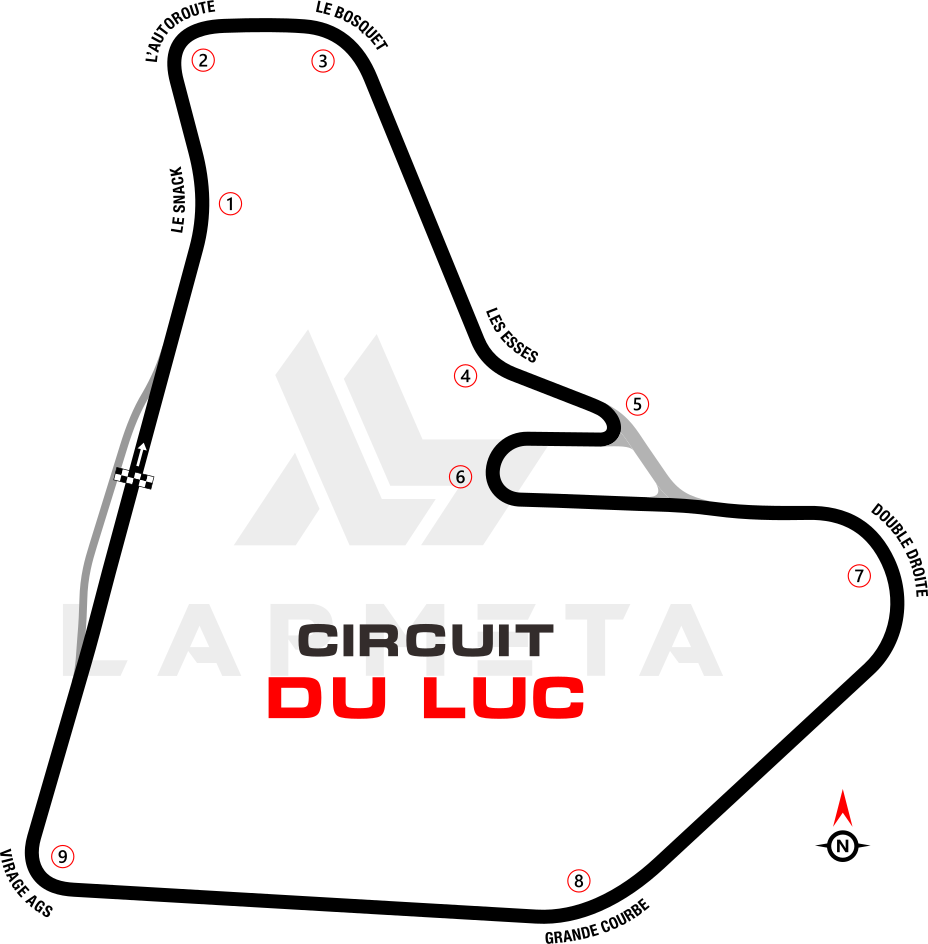
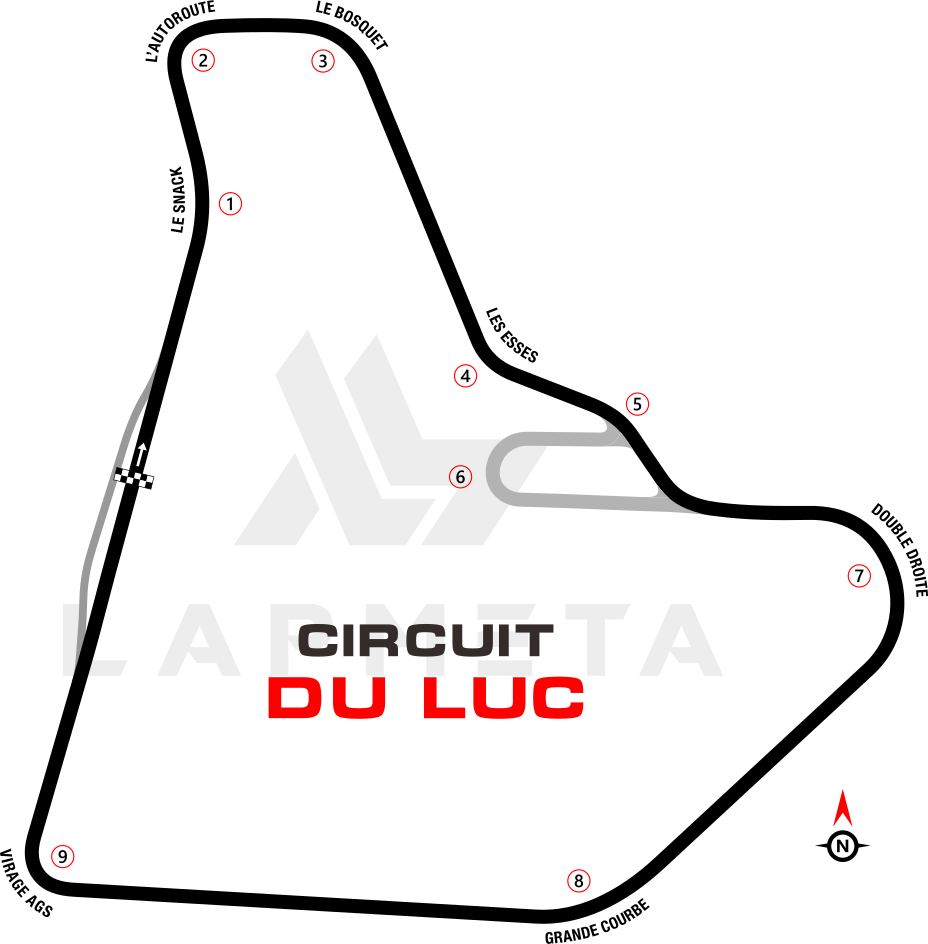
Circuit du Luc, also known as Circuit du Var, is a motorsport facility located in Le Luc en Provence, France, in the Var department. The track was built in 1973 and has a rich motorsport heritage. In the 1980s, the AGS company, a former Formula 1 car manufacturer, used the track as a training facility when the team participated in the Formula 1 World Championship. When the team ceased to operate in F1, it was decided to create a racing school where Formula 3 and Formula 1 cars could be driven, which is still the case today.
The track measures 2,200 meters in its standard configuration and 2,400 meters when including the hairpin bend. The track width varies between 7 and 9 meters. With a 530-meter long straight line, the track offers superb acceleration possibilities for drivers. The circuit features a total of 9 turns, making it perfect for dynamic races. The circuit offers two main configurations depending on whether the hairpin or chicane section is used, making it versatile for different types of motorsport activities. Circuit du Luc continues to operate as a racing school and track day venue, maintaining its connection to high-level motorsport through its Formula car driving experiences.
CW Notas:
The clockwise configuration at Circuit du Luc in France represents a directional variant at this facility in the Provence-Alpes-Côte d'Azur region of southeastern France. Running Circuit du Luc clockwise creates specific corner sequences and braking references serving events requiring this particular directional flow. This variant demonstrates the circuit's flexibility where directional choice creates varied experiences serving diverse customer requirements at this southern French motorsport venue near the Mediterranean coast.
Operating Circuit du Luc clockwise showcases the facility's role serving regional motorsport community in Provence. Mediterranean climate creates extended racing season with operations possible much of the year compared to northern European circuits facing harsher winter conditions. The clockwise configuration provides alternative flow creating different setup priorities and driving techniques compared to counterclockwise operation, demonstrating modern circuit philosophy where directional flexibility effectively doubles layout variety without additional infrastructure investment.
| Nome | Organização | Data |
|---|


