Sochi Autodrom CW
Sochi Autodrom CW Anmerkungen:
Das Sochi Autodrom ist eine 3,63 Meilen (5,84 km) lange Rennstrecke, die um den Sochi Olympic Park herum gebaut wurde, wo die Olympischen Winterspiele 2014 in Sirius an der Schwarzmeerküste im Süden Russlands stattfanden. Der Architekt, der für das Design der Rennstrecke verantwortlich war, war der weltberühmte Hermann Tilke, der auch an Formel-1-Strecken wie dem Red Bull Ring, dem Circuit of the Americas oder dem Marina Bay gearbeitet hat, um nur einige zu nennen. Das Sochi Autodrom ist seit 2014 die Heimat des Formel-1-Russland-Grand-Prix und ist eine einzigartige Kategorie für sich, da es sich um eine permanente Straßenstrecke handelt, die aus den inneren Straßen der Olympiastadt entstanden ist.
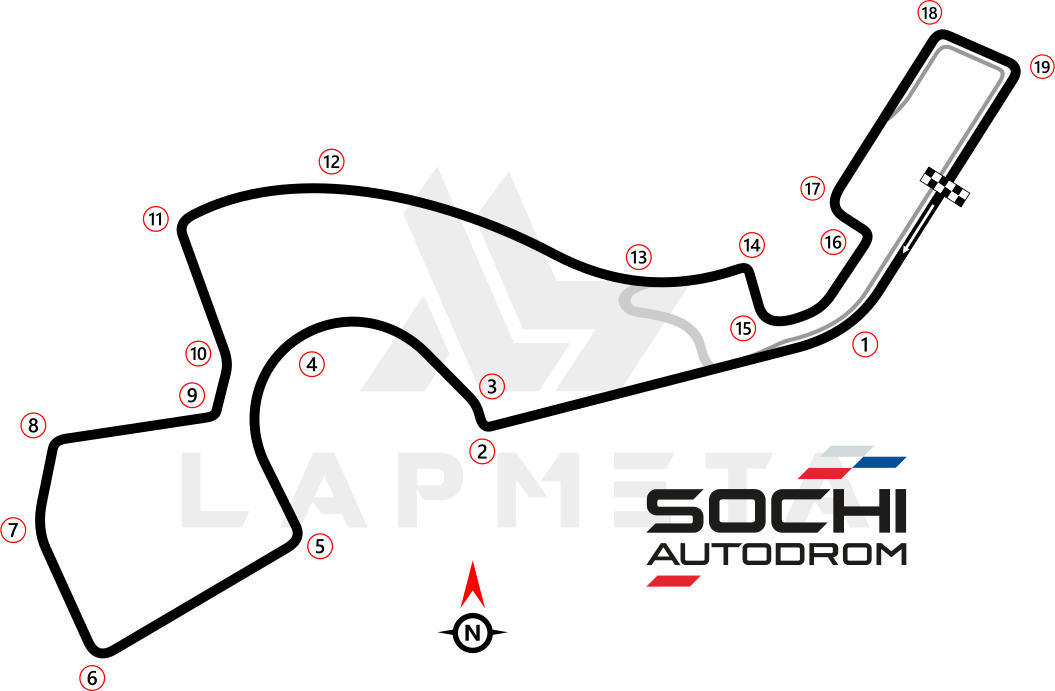
Der südliche Standort von Sochi bedeutet, dass die Stadt mit dem wärmsten Klima Russlands aufwarten kann, mit durchschnittlichen Temperaturen von etwa 20°C (68°F), kühlen Wintern und warmen Sommern. Die Oberfläche der Rennstrecke neigt dazu, das ganze Jahr über nass zu sein, und es gibt im Januar Schneefälle auf der Strecke. Es gibt 19 Kurven auf dem Sochi Autodrom, das eine schwierig zu manövrierende Streckenführung mit einem guten Gleichgewicht zwischen engen Kurven und schnellen Kurven aufweist. Einige Markenzeichen der Strecke sind ihre 750 Meter (2460 Fuß) lange Omega-förmige Kurve Nummer vier oder die schnelle Kombination von Kurven 12 und 13, wo die Fahrer mit 240 km/h (150 mph) rasen.
CW Anmerkungen:
The clockwise configuration at Sochi Autodrom (renamed Sirius Autodrom in April 2024) represents Russia's first purpose-built Formula One facility, delivering 5.848 kilometers of Hermann Tilke-designed asphalt featuring 19 corners (12 right-handers, 7 left-handers) through the Olympic Park complex along Russia's Black Sea coast in Krasnodar Krai. Running clockwise from the start grid on the northern edge of the Olympic Park next to the railway station, the circuit's 13-15 meter width provides multiple racing lines through sections that hosted the World Championship Russian Grand Prix from 2014 to 2021. The clockwise flow emphasized Tilke's characteristic blend of tight technical complexes and medium-speed corners designed to create overtaking opportunities, though critics often noted the circuit's processional racing character compared to classic European venues.
What distinguished Sochi Autodrom's clockwise layout was its integration with 2014 Winter Olympics infrastructure, creating a unique street-circuit-meets-permanent-facility hybrid where grandstands and Olympic venues provided spectator amenities uncommon at purpose-built tracks. The circuit's coastal location created variable weather conditions—Black Sea maritime influence could bring sudden rain or fog, while summer track temperatures often exceeded 50°C on exposed sections. Following international championships' departure from Russia, the circuit underwent dramatic transformation in 2024, with the big circuit being dismantled and only the short layout remaining where Turn 1 connects directly to Turn 13, fundamentally changing the facility's character from international-grade venue to regional motorsport park. The clockwise direction had become familiar to Formula One teams and drivers across eight Grand Prix events, with specific corner combinations like the Turn 2-3 complex and the Turn 13-15 sequence creating the circuit's strategic overtaking zones. Sochi's location in subtropical Russia's warmest region created operating conditions unique among Russian motorsport facilities, though the circuit's post-2021 transformation reflects broader geopolitical changes that ended its Formula One era and reshaped Russian motorsport infrastructure.

| Name | Organisation | Datum |
|---|


