Sochi Autodrom CW
Sochi Autodrom CW Примечания:
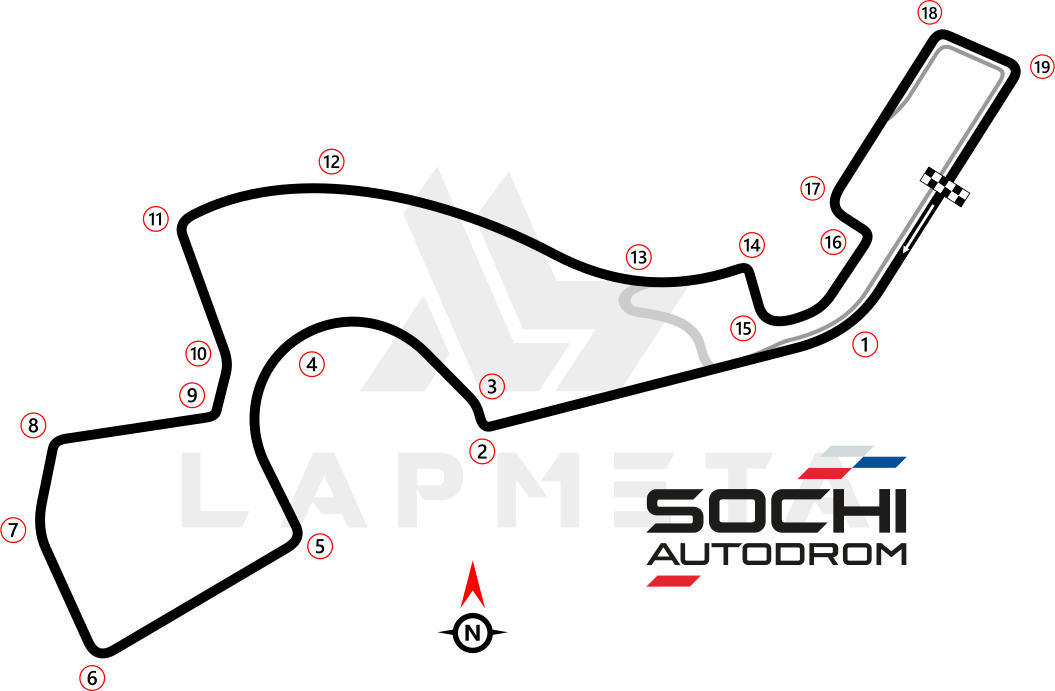
Сочинский автодром - это трасса длиной 3,63 мили (5,84 км), построенная вокруг Олимпийского парка Сочи, где проходили Зимние Олимпийские игры 2014 года, в Сириусе, вдоль побережья Черного моря на юге России. Архитектором, ответственным за проектирование трассы, был всемирно известный Герман Тильке, который также работал на трассах Формулы 1, таких как Ред Булл Ринг, Круг Америки или Марина-Бэй, чтобы назвать лишь несколько. Сочинский автодром является домом Гран При России по Формуле 1 с 2014 года и представляет собой уникальную категорию своего рода, потому что это постоянная городская трасса, возникшая из внутренних дорог олимпийского города.
Южное расположение Сочи означает, что город может похвастаться самым тёплым климатом в России, средними температурами около 20°C (68°F), прохладными зимами и тёплыми летами. Поверхность трассы обычно мокрая круглый год, и на трассе выпадают снежные осадки в январе. На Сочинском автодроме 19 поворотов, которые представляют собой сложный маршрут с хорошим балансом между узкими поворотами и плавными участками. Некоторые из особенностей этой трассы - это её "омега"-образный поворот длиной 750 метров (2460 футов) или быстрый комбинированный поворот 12 и 13, где гонщики разгоняются до 240 км/ч (150 миль в час).
CW Примечания:
Конфигурация по часовой стрелке на Сочи Автодроме (переименован в Сириус Автодром в апреле 2024 года) представляет собой первую специально построенную трассу Формулы-1 в России, предлагая 5.848 километров асфальта, спроектированного Германом Тильке, с 19 поворотами (12 правых, 7 левых) через комплекс Олимпийского парка вдоль черноморского побережья России в Краснодарском крае. Двигаясь по часовой стрелке от стартовой решётки на северной окраине Олимпийского парка рядом с железнодорожной станцией, ширина трассы 13-15 метров обеспечивает несколько гоночных линий через секции, которые принимали Гран-при России чемпионата мира с 2014 по 2021 год.
Что отличало конфигурацию Сочи Автодрома по часовой стрелке, так это его интеграция с инфраструктурой Зимних Олимпийских игр 2014 года, создавая уникальный гибрид уличной трассы и постоянного объекта, где трибуны и олимпийские площадки обеспечивали удобства для зрителей, необычные для специально построенных трасс. Прибрежное расположение трассы создавало переменные погодные условия. После ухода международных чемпионатов из России трасса претерпела драматическую трансформацию в 2024 году, большая трасса была демонтирована, осталась только короткая конфигурация, где Поворот 1 соединяется непосредственно с Поворотом 13.

| Название | Организация | Дата |
|---|


