Sochi Autodrom CW
Sochi Autodrom CW Note:
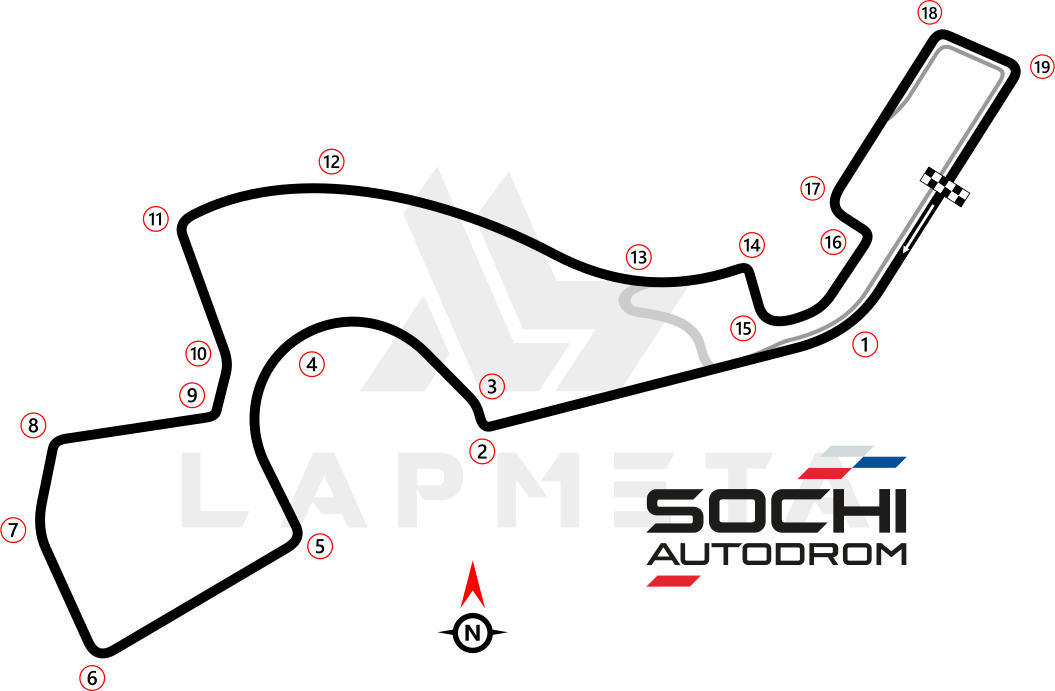
Il Sochi Autodrom è un circuito di 3,63 miglia (5,84 km) costruito intorno al Parco Olimpico di Sochi, dove si sono tenuti i Giochi Olimpici Invernali del 2014, a Sirius, lungo la costa del Mar Nero nel sud della Russia. L'architetto responsabile della progettazione del circuito è stato il famoso Hermann Tilke, che ha lavorato anche su circuiti di Formula 1 come il Red Bull Ring, il Circuit of the Americas o la Marina Bay, per citarne solo alcuni. Il Sochi Autodrom è la sede del Gran Premio di Russia di Formula 1 dal 2014 ed è una categoria unica nel suo genere perché è un circuito stradale permanente che è nato dalle strade interne della città olimpica.
La posizione meridionale di Sochi significa che la città può vantare il clima più caldo della Russia, con temperature medie vicine a 20°C (68°F), inverni freschi ed estati calde. La superficie del tracciato tende ad essere bagnata tutto l'anno e ci sono nevicate sul circuito durante il mese di gennaio. Ci sono 19 curve nel Sochi Autodrom, che presenta una disposizione difficile da manovrare con un buon equilibrio tra curve ad angolo stretto e curve veloci. Alcune delle caratteristiche del circuito sono la sua curva a forma di omega lunga 750 metri (2460 piedi) o la veloce combinazione di curve 12 e 13, dove i piloti corrono a 240 km/h (150 mph).
CW Note:
The clockwise configuration at Sochi Autodrom (renamed Sirius Autodrom in April 2024) represents Russia's first purpose-built Formula One facility, delivering 5.848 kilometers of Hermann Tilke-designed asphalt featuring 19 corners (12 right-handers, 7 left-handers) through the Olympic Park complex along Russia's Black Sea coast in Krasnodar Krai. Running clockwise from the start grid on the northern edge of the Olympic Park next to the railway station, the circuit's 13-15 meter width provides multiple racing lines through sections that hosted the World Championship Russian Grand Prix from 2014 to 2021. The clockwise flow emphasized Tilke's characteristic blend of tight technical complexes and medium-speed corners designed to create overtaking opportunities, though critics often noted the circuit's processional racing character compared to classic European venues.
What distinguished Sochi Autodrom's clockwise layout was its integration with 2014 Winter Olympics infrastructure, creating a unique street-circuit-meets-permanent-facility hybrid where grandstands and Olympic venues provided spectator amenities uncommon at purpose-built tracks. The circuit's coastal location created variable weather conditions—Black Sea maritime influence could bring sudden rain or fog, while summer track temperatures often exceeded 50°C on exposed sections. Following international championships' departure from Russia, the circuit underwent dramatic transformation in 2024, with the big circuit being dismantled and only the short layout remaining where Turn 1 connects directly to Turn 13, fundamentally changing the facility's character from international-grade venue to regional motorsport park. The clockwise direction had become familiar to Formula One teams and drivers across eight Grand Prix events, with specific corner combinations like the Turn 2-3 complex and the Turn 13-15 sequence creating the circuit's strategic overtaking zones. Sochi's location in subtropical Russia's warmest region created operating conditions unique among Russian motorsport facilities, though the circuit's post-2021 transformation reflects broader geopolitical changes that ended its Formula One era and reshaped Russian motorsport infrastructure.

| Nome | Organizzazione | Data |
|---|


