The Lausitzring, also known as EuroSpeedway Lausitz, is a motorsport complex located in Klettwitz, Germany, near the Polish and Chezch borders, at 134 km (83 miles) south of Berlin. The complex opened in 2000 and currently includes several raceways like the NASCAR-Style tri-oval track (unique in continental Europe), the GP Circuit, or the Short Course, among several other configurations. The Deutsche Tourenwagen Masters, DTM, is the main competition regularly hosted at the Lausitzring nowadays, which has also hosted several editions of the Superbike World Championship in the past. The climate at the circuit location is continental, with considerable rainfall throughout the year and below freezing temperature in winter.
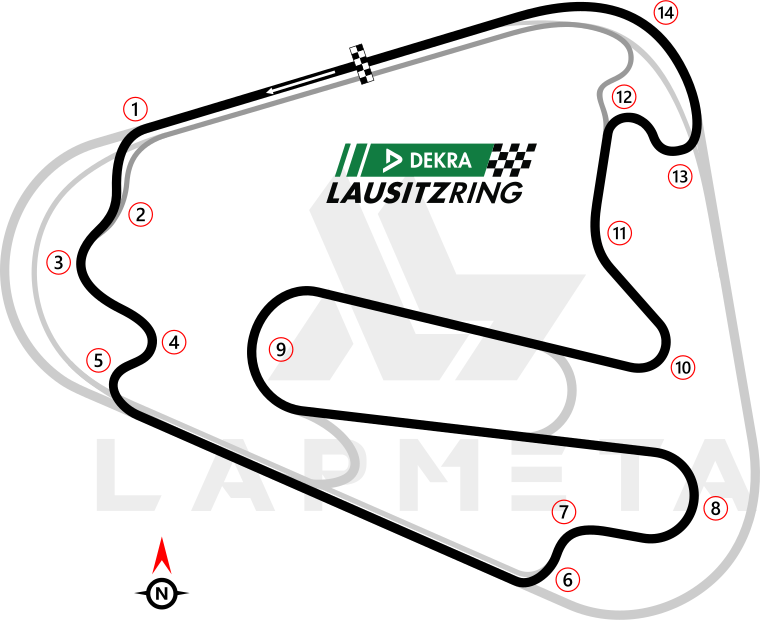
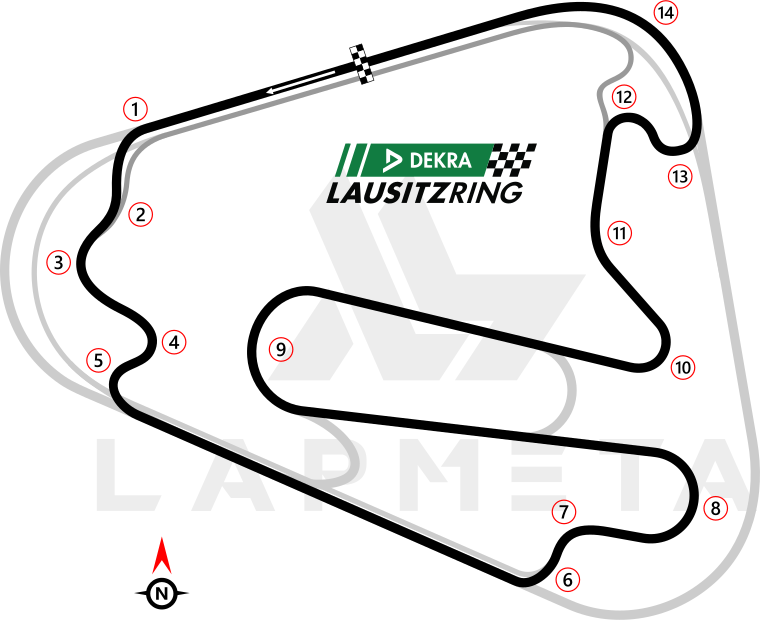
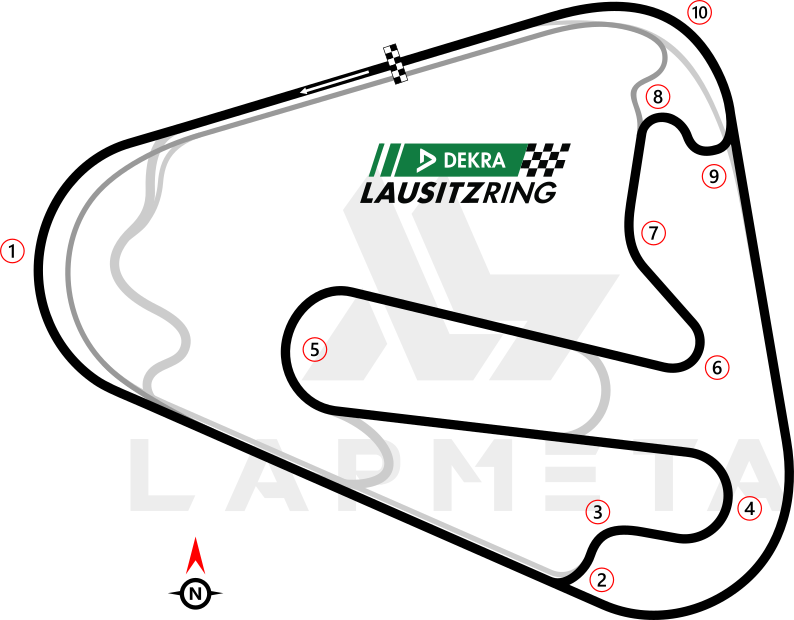
There are several inner road course configurations for racing inside the tri-oval superspeedway of the Lausitzring. The Grand Prix Circuit is a 2.7-mile (4.34-km), 14-turn layout sharing part of the NASCAR-style speedway. The 2.11-mile (3.39-km) Short Course is a reduced version of the GP Circuit with 12 turns and the same average speed of 83 mph (133 km/h). The racing dynamic in the superspeedway segments is similar to that of American tracks like Pocono Raceway, where the high banking favors overtaking because of the slingshot effect.
The Lausitzring Short Course represents a condensed 3.4-kilometer interpretation of the full GP Circuit, created in 2005 when track designers added a connecting road that bypasses two corners and two straight segments from the complete layout. This modification preserved the circuit's high-speed character while creating a more compact venue measuring 2.119 miles with 12 turns flowing counterclockwise through Brandenburg's former coal mining landscape. The layout maintains the GP Circuit's challenging characteristics—fast sweeping corners, limited heavy braking zones, and sustained commitment through medium-speed technical sections that reward momentum conservation over raw power. DTM adopted this configuration immediately upon completion, utilizing the Short Course's compressed format to create closer racing and more overtaking opportunities than the full GP layout provided. The 8-meter vertical elevation change remains modest yet tactically significant, particularly through the circuit's sinuous middle sector where slight gradient variations affect corner entry speeds and braking points. Average lap times around 1:35 at 128 kph demand sustained concentration as the circuit's rhythm punishes mistakes with limited run-off in several sections. Modern asphalt provides consistent grip year-round, though Brandenburg's continental climate creates track temperature variations affecting tire performance across spring and autumn racing seasons when the facility operates most actively.